
Common car problems, explained.
Simple checks you can do safely, what the symptoms usually mean, and when it's time to bring your car in.
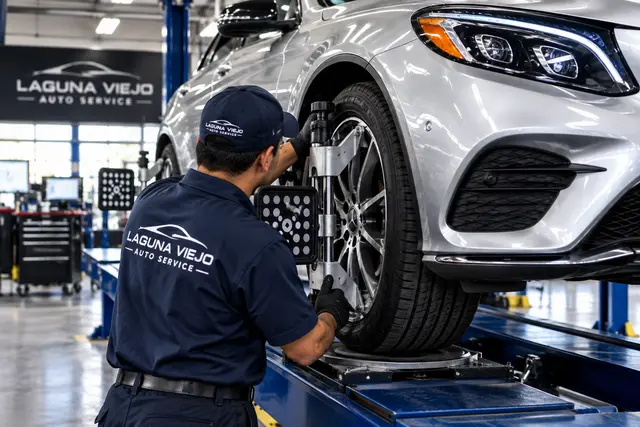
Car Pulling to One Side? What to Check
A car that drifts or pulls to one side while you're driving straight is usually a tire, alignment, brake, or suspension issue. It's worth checking early, because it also wears your tires out faster.
Read the guide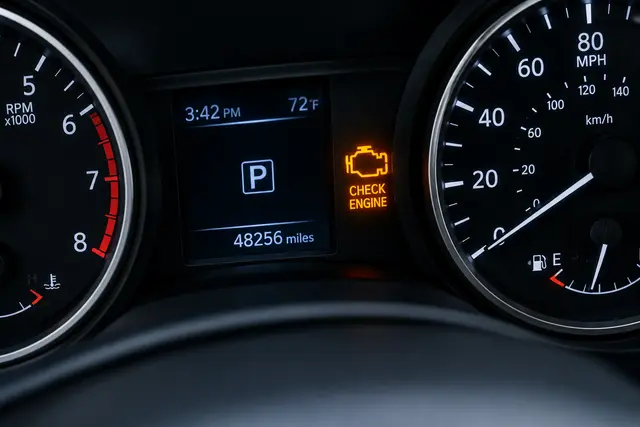
Check Engine Light On or Flashing? What to Do
A check engine light means the car's computer has detected a problem. A steady light is less urgent than a flashing one, but both are worth reading the code for, since some causes are cheap and others can damage the engine or exhaust system if ignored.
Read the guide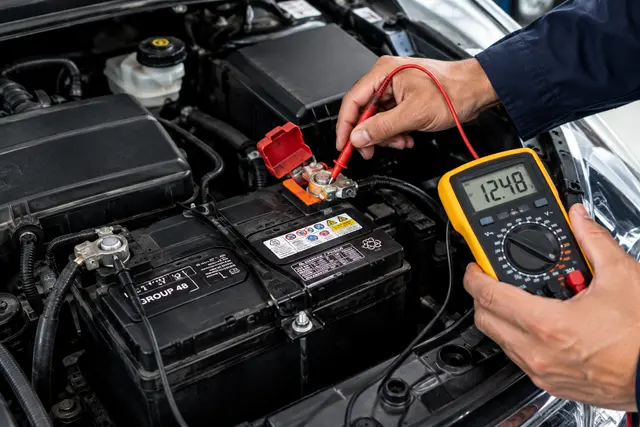
Car Battery Keeps Dying? Causes and Checks
Slow engine cranking, dim lights, or a car that won't start after sitting usually points to the battery, the charging system, or something drawing power when the car is off.
Read the guide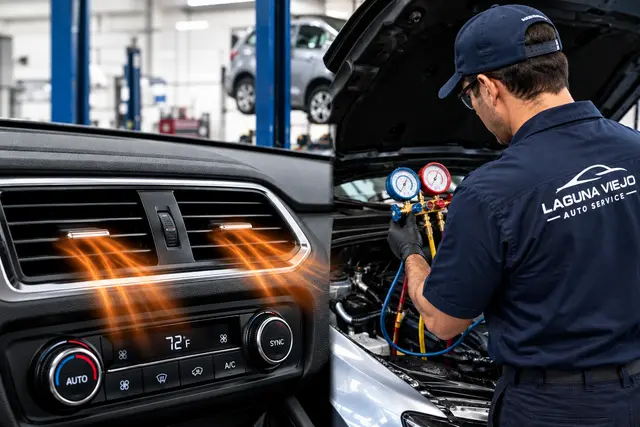
AC Blowing Warm Air? What to Check First
When the AC blows warm air, the cause is often low refrigerant from a leak, but it can also be a failing compressor, an electrical problem, or a clogged filter.
Read the guide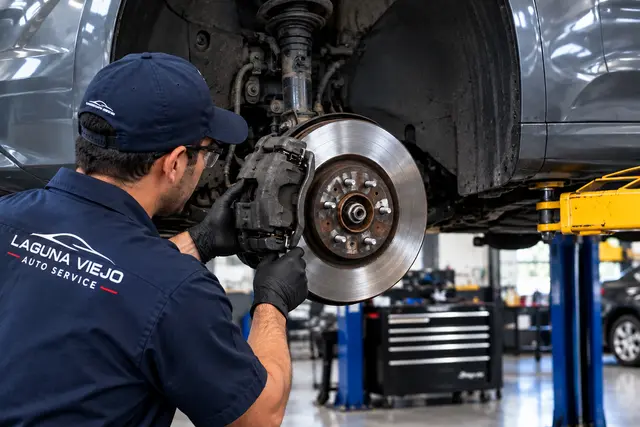
Brakes Squealing or Grinding? What to Know
A squeal or grinding noise from the brakes usually means the pads are worn or something is caught between the pad and rotor. Grinding in particular means metal may be touching metal.
Read the guide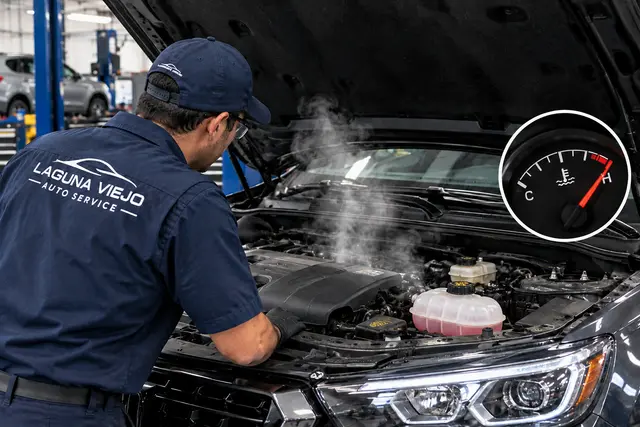
Car Overheating? What to Do Right Now
An overheating engine can cause serious damage in minutes, so the first priority is safety, not diagnosis.
Read the guide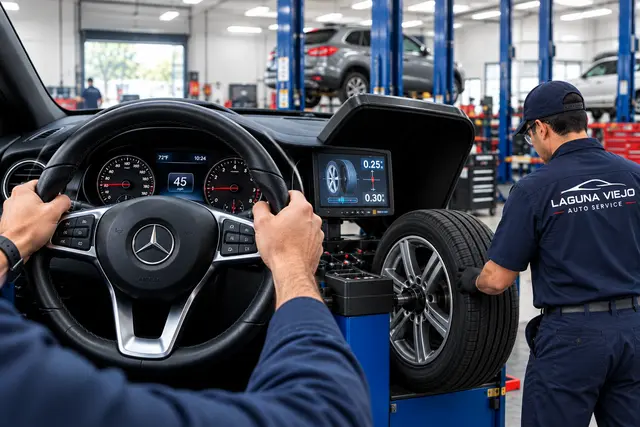
Steering Wheel Shaking or Vibrating? What to Check
Vibration felt through the steering wheel usually points to a tire, wheel, or brake issue, and it often shows up only in certain situations, like highway speed or while braking.
Read the guide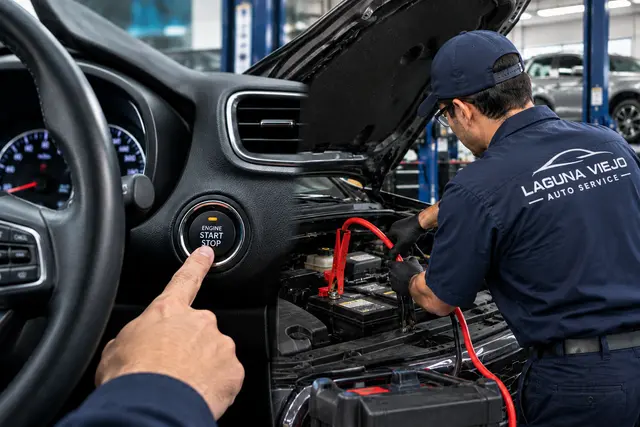
Car Won't Start? What to Check First
A car that won't start can mean very different things depending on what you hear, or don't hear, when you turn the key — electrical, fuel, or ignition.
Read the guide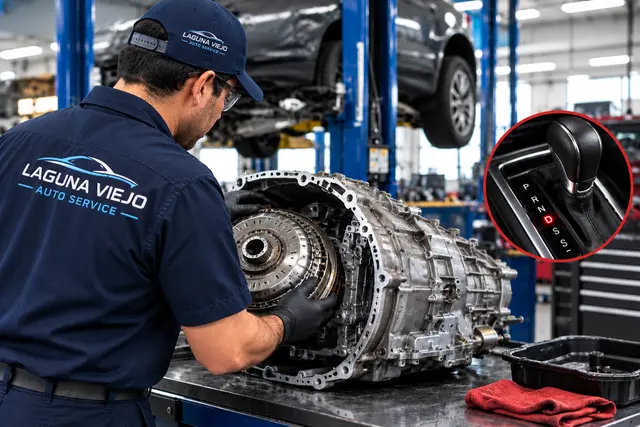
Transmission Slipping or Shifting Rough? What It Means
A transmission that slips, hesitates, shifts hard, or delays before engaging is telling you something is off, and it's worth addressing before it turns into a bigger repair.
Read the guide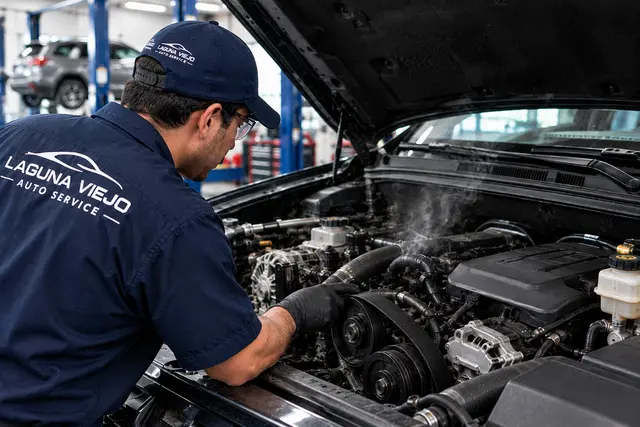
Burning Smell From Your Car? What It Could Be
A burning smell can come from several different systems, and figuring out which one helps determine how urgent it is.
Read the guide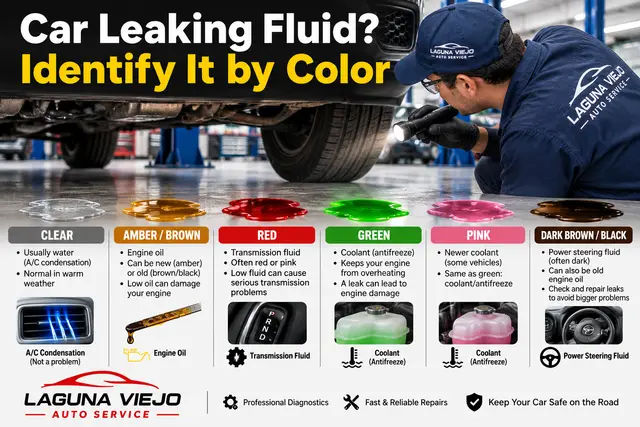
Car Leaking Fluid? Identify It by Color
A spot under your car can be harmless water from the AC or a sign of an oil, coolant, brake, or transmission leak. The color, feel, and location of the drip usually tell you which one it is.
Read the guide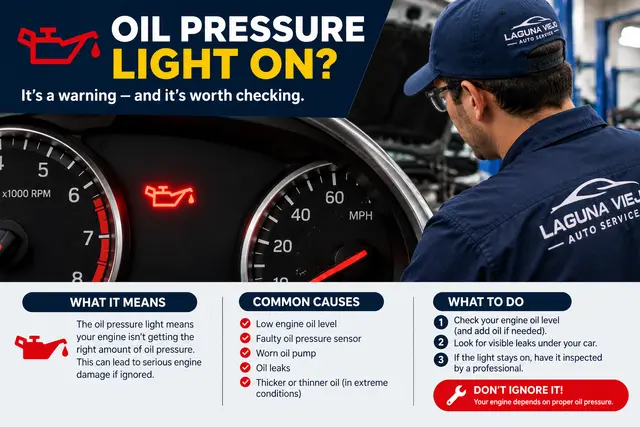
Oil Pressure Light On? What It Means
The red oil can light means the engine has lost oil pressure, not just that an oil change is due. Without oil pressure, the engine's moving parts aren't protected and can be badly damaged quickly.
Read the guide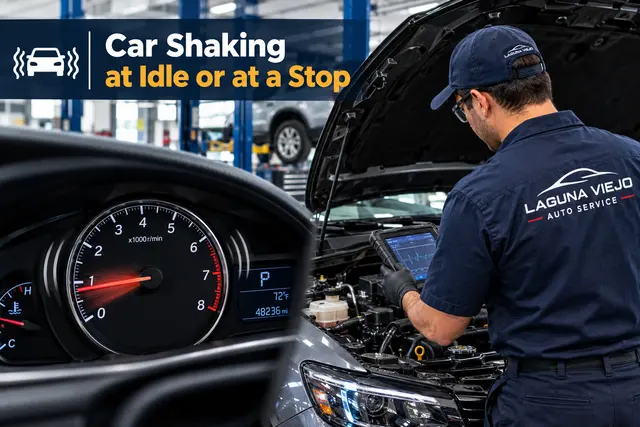
Car Shaking at Idle or at a Stop? Common Causes
If the car shakes or runs rough while stopped at a light or in park, the cause is usually in the engine, not the tires. Common culprits are misfires, vacuum leaks, and worn engine mounts.
Read the guide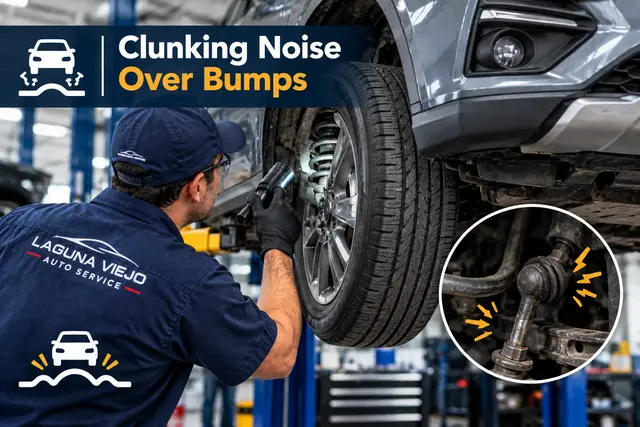
Clunking Noise Over Bumps? What to Check
A clunk, knock, or rattle when you go over bumps, potholes, or driveways almost always comes from the suspension or steering. Worn parts there affect handling and tire wear, so it's worth finding early.
Read the guide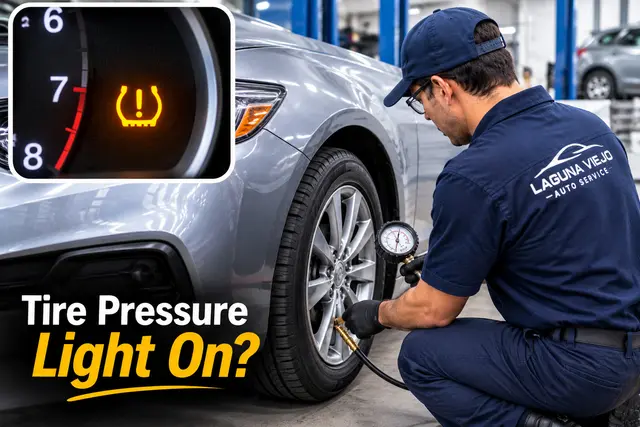
Tire Pressure Light On? What to Check
The tire pressure light, a horseshoe shape with an exclamation point, means at least one tire is well below its recommended pressure. It often comes on during the first cool morning of the season, but it can also mean a slow leak.
Read the guide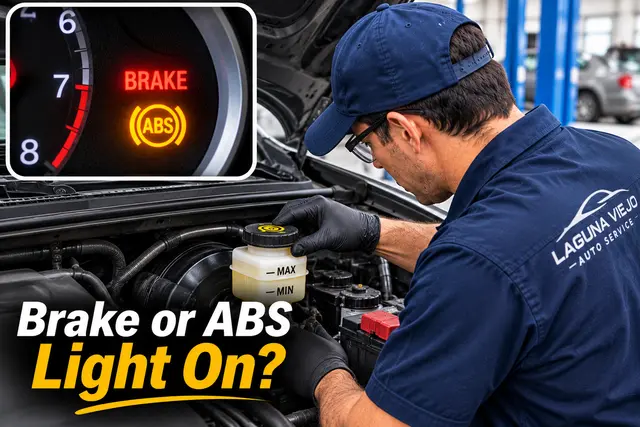
Brake Warning Light or ABS Light On? What It Means
Cars have two brake-related warning lights. The red BRAKE light usually means the parking brake is on, the brake fluid is low, or there's a problem in the hydraulic system. The amber ABS light means the anti-lock system has a fault, while normal braking should still work.
Read the guide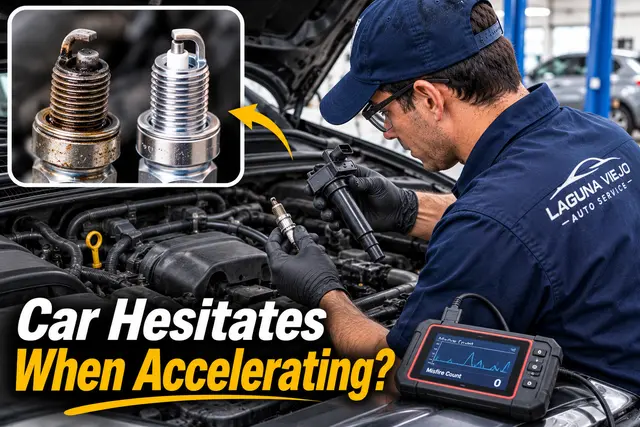
Car Hesitates or Loses Power When Accelerating? Common Causes
If the car stumbles, bogs down, or takes a moment to respond when you press the gas, the engine usually isn't getting the right mix of air, fuel, and spark. The cause is often a worn ignition part, a clogged filter, or a dirty sensor.
Read the guide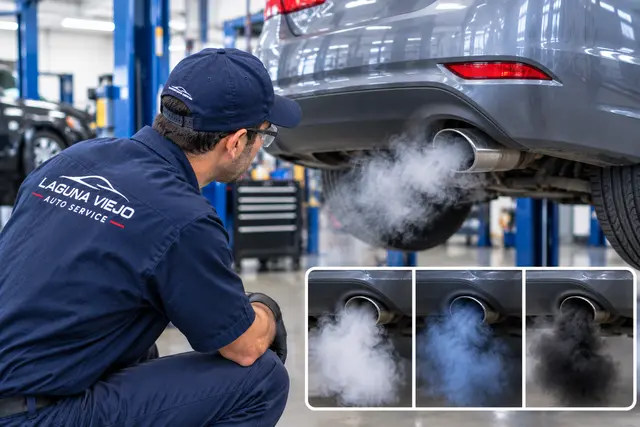
Smoke From Your Exhaust? What the Color Means
A little thin white vapor on a cool morning is normal condensation that clears once the engine warms up. Smoke that stays thick, or is blue, gray, or black, means the engine is burning something it shouldn't, and the color tells you what.
Read the guide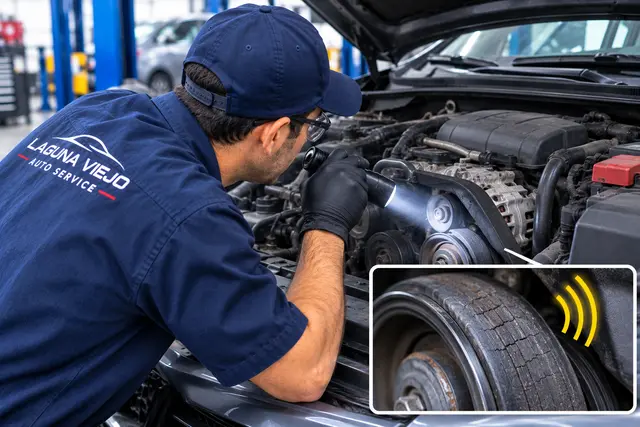
Squealing Noise From the Engine? What to Check
A high-pitched squeal or chirp from under the hood, especially at startup, when turning the wheel, or when the AC kicks on, usually comes from the serpentine belt or a part it drives. The belt runs the alternator, water pump, power steering, and AC.
Read the guide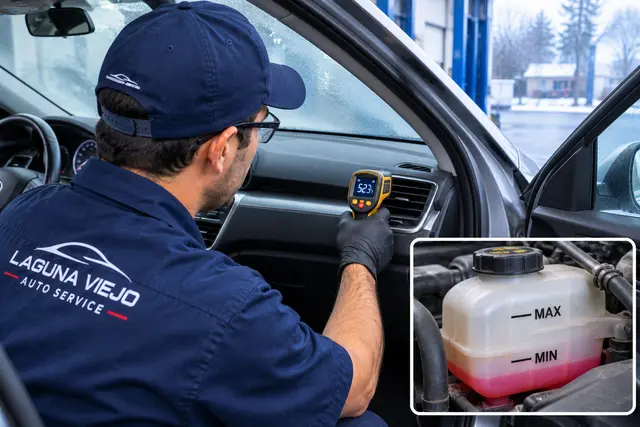
Heater Blowing Cold Air? What to Check
Your car's heater uses hot coolant from the engine, passed through a small radiator called the heater core. If the air stays cold after the engine warms up, the problem is usually low coolant, a stuck thermostat, or a blend door that isn't moving.
Read the guide